
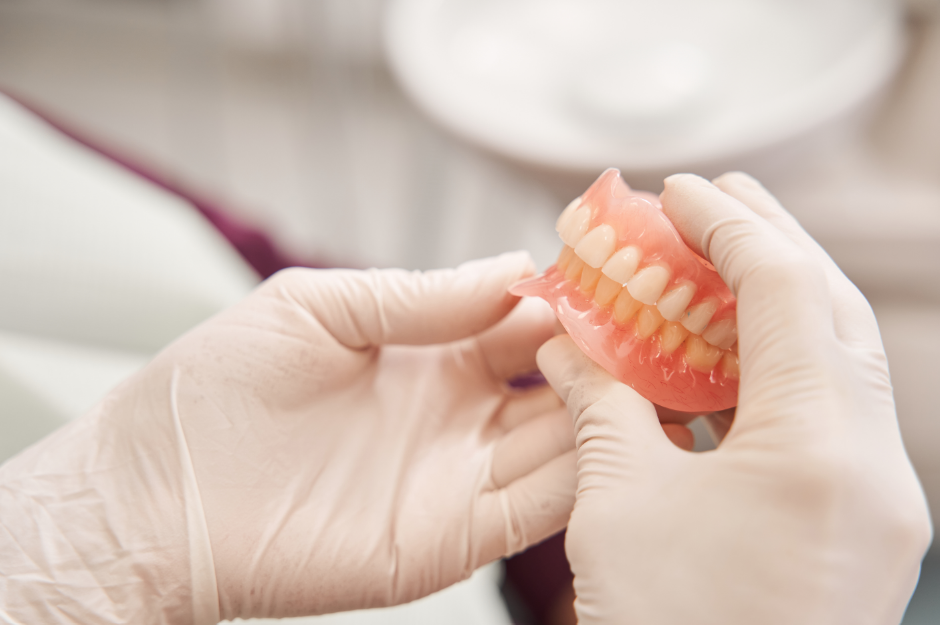
Dentures play an important role in restoring your ability to speak clearly, smile confidently, and chew your food more comfortably. However, many denture wearers are surprised to learn that their prosthetic teeth can also influence their nutrition. Research shows that people who rely on traditional removable dentures often consume fewer essential nutrients, which can affect overall wellness in the long run.
Understanding why this happens—and how implant-supported dentures can help—can make a big difference in maintaining a balanced, healthy diet.
How Dentures Can Affect Your Diet
Traditional dentures rest on the gums and rely on suction or an adhesive to stay in place. While modern designs are much more stable than they once were, they still do not offer the same bite force as natural teeth. As a result, many denture wearers find it difficult to chew tougher foods like fresh vegetables, nuts, whole meats, or crusty breads.
Over time, this can lead to avoiding certain food groups altogether. Unfortunately, many of the foods that are harder to chew are packed with vital nutrients such as fiber, protein, healthy fats, vitamins, and minerals. Without them, denture wearers may experience limited dietary variety and a reduced intake of the nutrients needed for long-term health.
The Link Between Dentures and Nutritional Deficiencies
Studies suggest that people who wear removable dentures may face a higher risk of nutritional deficiencies, especially if chewing discomfort leads to a softer, more processed diet. Soft foods like pasta, mashed potatoes, pastries, or soups may be easier to chew, but they often contain fewer vitamins and minerals than whole, unprocessed foods.
Additionally, poorly fitting dentures can create sore spots, slipping, or gum irritation. When wearing dentures becomes uncomfortable, many people naturally begin to eat less overall. Reduced appetite and food avoidance can further contribute to weight loss, low energy levels, and inadequate nutrient intake.
If you’ve noticed changes in your eating habits since getting dentures, you’re not alone—but there are solutions that can help you enjoy a fuller, healthier diet again.
How Implant-Supported Dentures Improve Chewing Power
One of the most effective ways to address nutritional concerns is to secure your denture to dental implants. Implant-supported dentures are anchored directly into the jawbone, which gives them significantly more stability and chewing power than traditional removable dentures.
With better bite force, many patients find they can return to eating a wider variety of foods, including fresh fruits, crunchy vegetables, lean meats, and whole grains. This expanded diet often leads to improved nutrition, increased confidence during meals, and greater comfort overall.
Implant-supported dentures also help prevent the bone loss that often develops with long-term denture wear. A stronger, healthier jawbone supports facial structure and makes wearing your prosthetic more comfortable.
Keeping your prosthetic secure and functional helps support your overall health as well.
About the Practice
At the office of Dr. Kathy Lam, patients receive compassionate, personalized dental care designed to support long-term oral health. Dr. Lam offers comprehensive denture solutions, including implant-supported options, to help patients eat comfortably and maintain a balanced diet. Our team is dedicated to delivering high-quality, patient-centered care in a welcoming environment.
Call us at (630) 653-7720 or request an appointment online.