
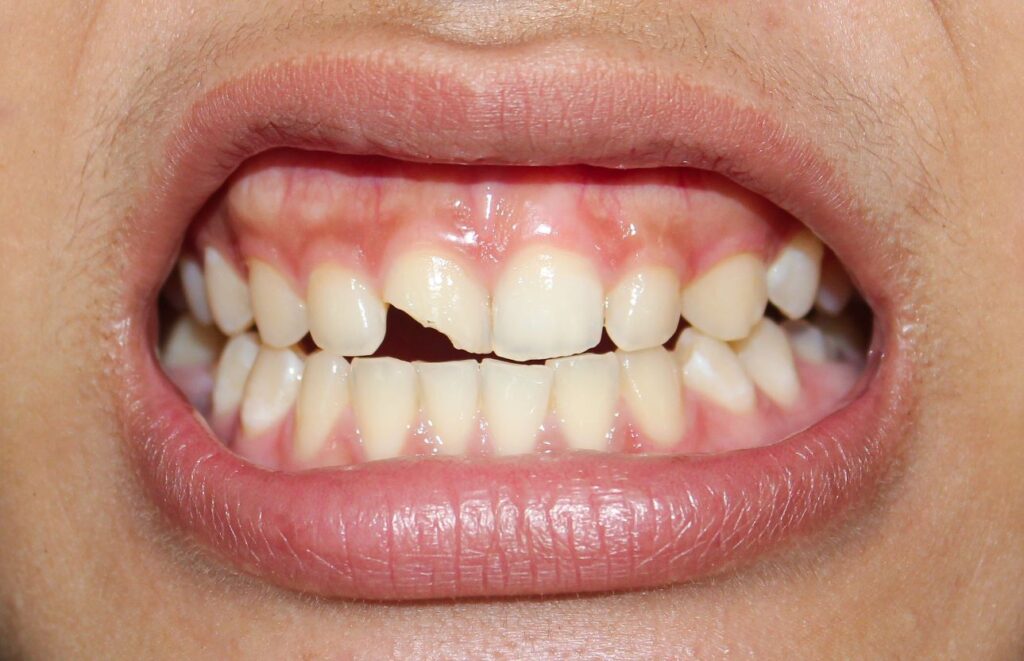
Did you know that enamel is the hardest substance produced by the human body? It’s even stronger than bone, but unfortunately, that doesn’t mean it’s invincible. It’s possible to chip, crack, or break your tooth, which can be both painful and scary, especially if you’re unsure of how to handle your oral emergency.
Continue reading to learn more about how to handle a broken tooth and how your dentist can help protect and preserve your smile!
Why Do Teeth Sometimes Break?
Plenty of people get anxious when it comes to dental problems, and if you’ve just damaged a tooth, it’s only natural to want to know what caused it so you can avoid a repeat occurrence. There are many potential reasons for this kind of injury, including:
- Physical trauma sustained during athletic events, team sports, or other close-contact activities.
- Poor at-home dental hygiene habits.
- Consuming overly sugary or acidic foods that can erode enamel.
- Avoiding routine dental checkups and cleanings.
- Biting into foods that are too hard or crunchy, like nuts or chips.
- Chewing inanimate objects, such as ice, pen caps, or fingernails.
How Should I Handle a Broken Tooth?
Whatever the reason for your injured tooth, it’s important to act quickly to avoid developing an infection or sustaining additional damage. Fortunately, many dentists offer same-day visits so that you don’t have to wait long to be seen once you contact them. Call your provider so they can schedule an appointment and offer any necessary care instructions over the phone for you to follow until you arrive.
Then, try to find any missing pieces of enamel, keeping in mind that some may be in your mouth and you don’t want to swallow them. Rinse them off and store them in an airtight container to bring with you to your visit. If your mouth is achy or inflamed, you can rinse it with salt water to soothe and disinfect it. You might also take the recommended dosage of over-the-counter medications, such as acetaminophen or ibuprofen, or place an ice pack on that side of your face to provide some much-needed relief.
How Are Broken Teeth Treated?
Once you arrive at the dentist’s office, they’ll examine your mouth to determine the extent of the harm done. Then, based on their findings, they might recommend a restoration, such as a dental crown, to restore your tooth’s appearance and functionality.
However, if the tooth is too injured to be treated effectively, your provider may have no choice but to recommend extracting and replacing it to preserve your dental health.
Meet the Author
Dr. Kathy Lam is passionate about enhancing her patients’ lives by helping them build and maintain strong, beautiful teeth and gums. She earned her Doctor of Dental Surgery advanced degree from the Howard University College of Dentistry, then completed a residency at Waterbury Hospital Health Center in Connecticut. Today, she works diligently to offer a comprehensive menu of services, including same-day emergency appointments. If you have an urgent problem and need help, you can contact the office on the website or by calling (630) 653-7720.